CVSFuel ProtectionSystems Çavuş Group Automotive
CVS Fuel Protection Systems

Blog

Fuel security, fleet savings and guides from the field

CVS Fuel Protection SystemsBlog · Fleet management

How to Prevent Fuel Theft in Commercial Fleets: The Definitive Guide

In logistics and transport, fuel is the largest single operating expense. Keeping fuel consumption under control is vital for profitability in fleet management. Yet today one of the biggest cost leaks is fuel theft and diesel siphoning.

Read more

Traditional locks and simple tank caps fall short against professional thieves. CVS Fuel Protection Systems completely prevent hose insertion with special mechanical filters and locking mechanisms integrated into the tank neck. Combined with driver supervision and proper route tracking, it is not only about security: you can save up to 15% on fleet costs right away.
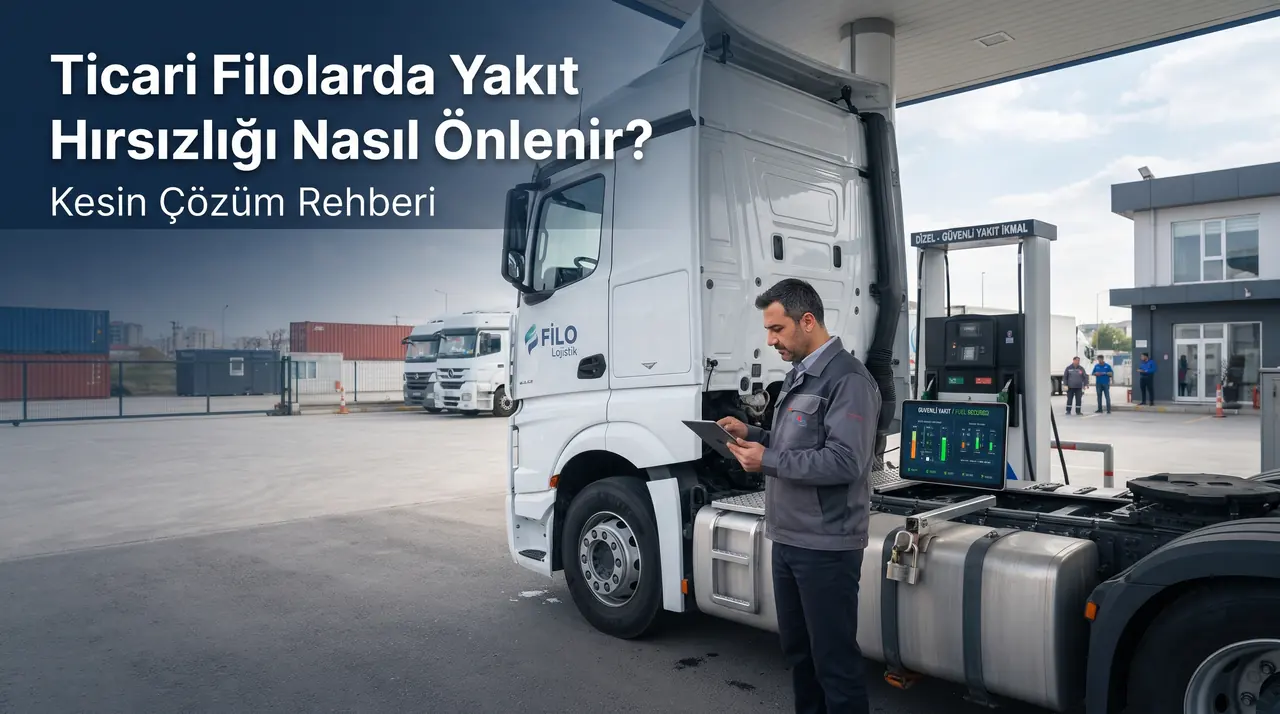
Fleet staff checking a truck during refuelling Explore logistics solutions
Comment
CVS Fuel Protection SystemsBlog · Trucks & haulage

Why Diesel Tank Security Is a Must for Heavy Vehicles and Truck Drivers

Truck drivers working across Türkiye and on international routes have to spend nights at rest areas or by the roadside. This makes heavy vehicles parked at unsupervised spots a prime target for fuel thieves.

Read more

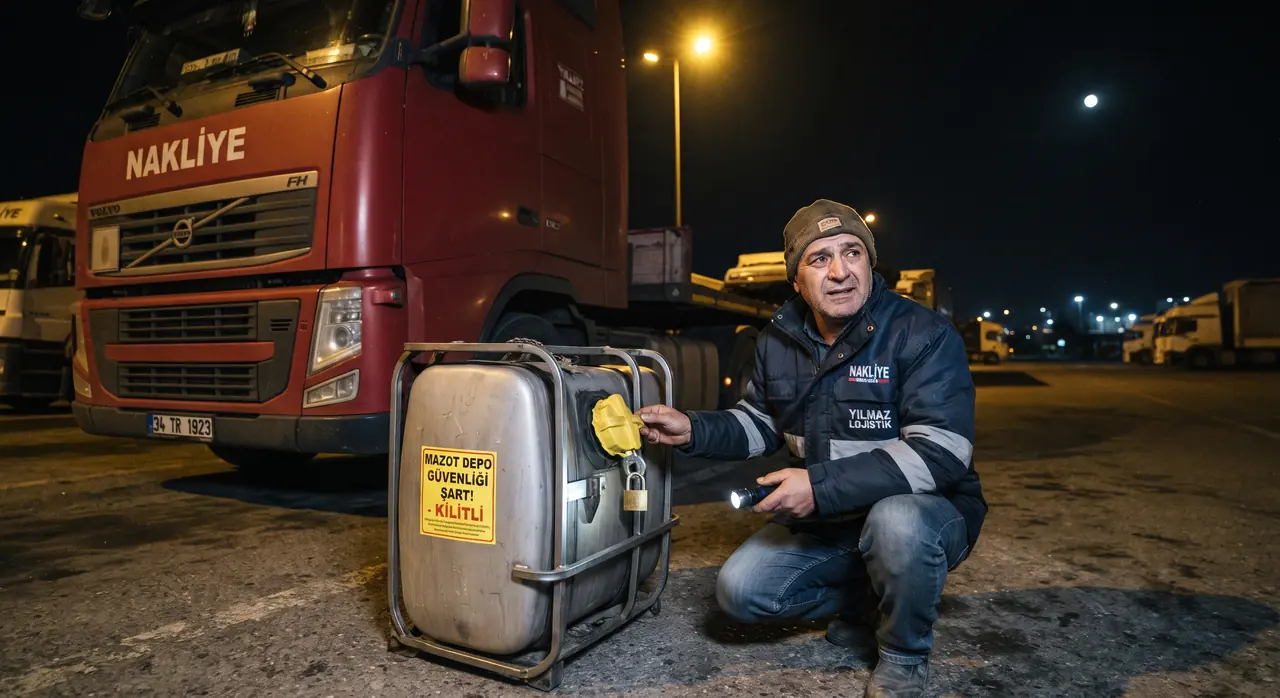
A truck tank emptied in the middle of the night means more than the fuel lost at that moment: it also means delivery delays, time penalties and a driver left in trouble. With an impact-resistant structure and a patented design, CVS Fuel Tank Protection Systems guard the tank like steel armor against forcing with tools such as crowbars or screwdrivers.

Driver checking the locked fuel tank of a truck parked at night Truck and lorry solutions
Comment
CVS Fuel Protection SystemsBlog · Construction

Fuel Protection Methods for Construction Machinery on Building Sites

Construction sites are among the highest-risk places for theft because of their large areas and the lack of activity at night. Excavators, graders and mobile generators that stay on site overnight are the main focus of thieves.

Read more

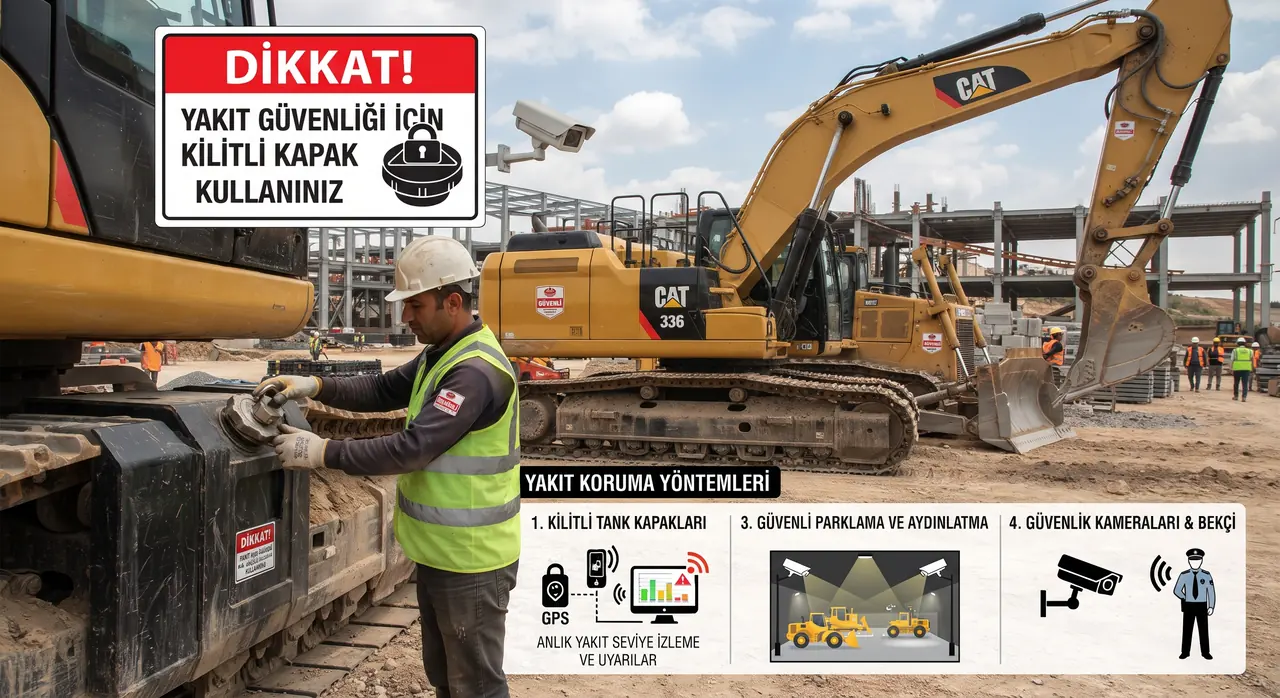
Tanks on construction machinery are usually located differently from those on trucks and have wide openings. With filter-cap systems designed specifically for every make and model of machine, CVS Fuel Protection Systems make it physically impossible to draw diesel out with a hose. Mechanical protection is essential to safeguard your site costs and prevent work stoppages.

Worker securing an excavator tank with a locked cap on a building site Construction machinery solutions
Comment
CVS Fuel Protection SystemsBlog · Fleet management

The Critical Link Between Fuel Savings and Security for Logistics Companies

Logistics companies invest heavily in GPS tracking, tyre pressure sensors and eco-driving training to optimize fuel consumption. But all of these measures can be wasted if fuel in the tank is stolen at night or drained without authorization.

Read more

A real fuel-saving strategy starts by guaranteeing that every drop that goes into the tank reaches the vehicle's engine. By eliminating fuel leakage and outside interference, CVS Fuel Protection Systems create a solid financial shield in a company's annual budget.

Female truck driver following the route at the wheel What are the brands doing?
Comment
CVS Fuel Protection SystemsBlog · Forklifts

Fuel Tank Protection for Forklifts and In-Warehouse Stacker Machines

Diesel forklifts, widely used in factories and logistics centers, are the vehicles where fuel is hardest to track because of shift work and many different operators. Fast traffic inside the warehouse can let small leaks or unsupervised fuel draws go unnoticed.

Read more

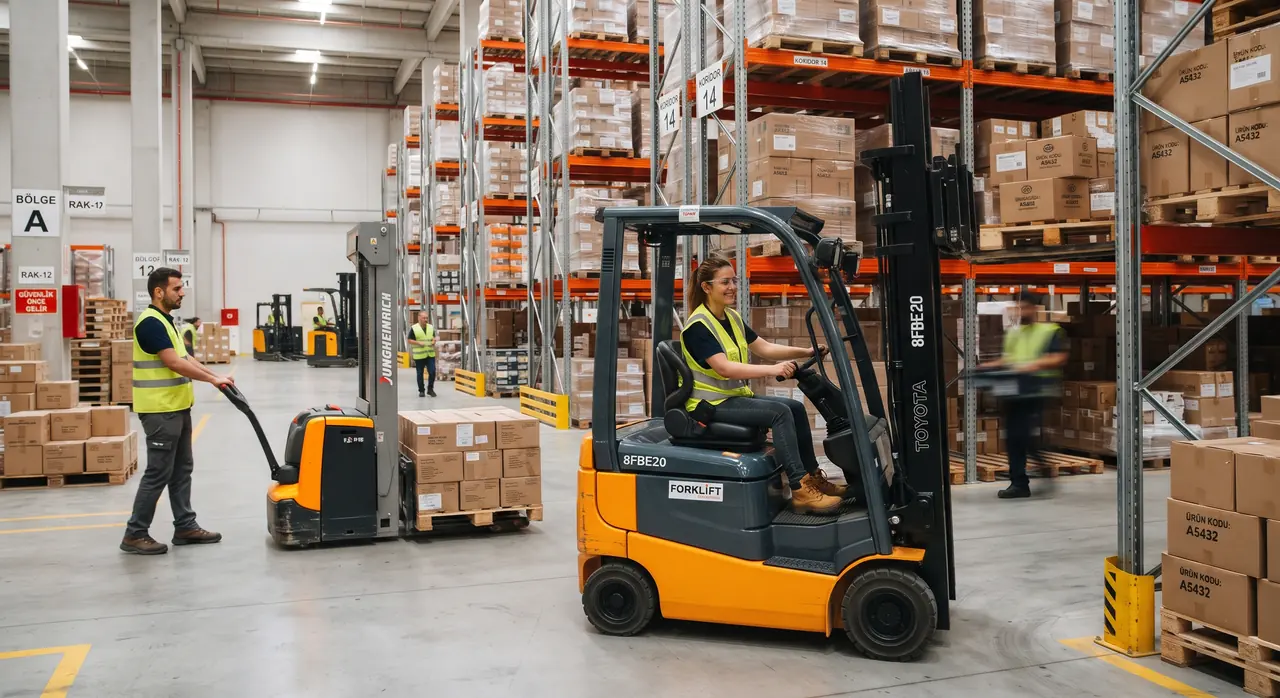
With protection systems that fit the narrow chassis and tank caps of forklifts exactly, CVS Fuel Protection prevents unauthorized fuel transfers inside the facility and risks coming from outside.

Operator driving a forklift in a warehouse with stacked racks Forklift solutions
Comment
CVS Fuel Protection SystemsBlog · Technology

How Do New-Generation Tank Filters and Mechanical Lock Systems Work?

One of the most effective methods developed against fuel theft is the special tank filter made of stainless steel. These systems have a barrier architecture that extends into the tank.

Read more

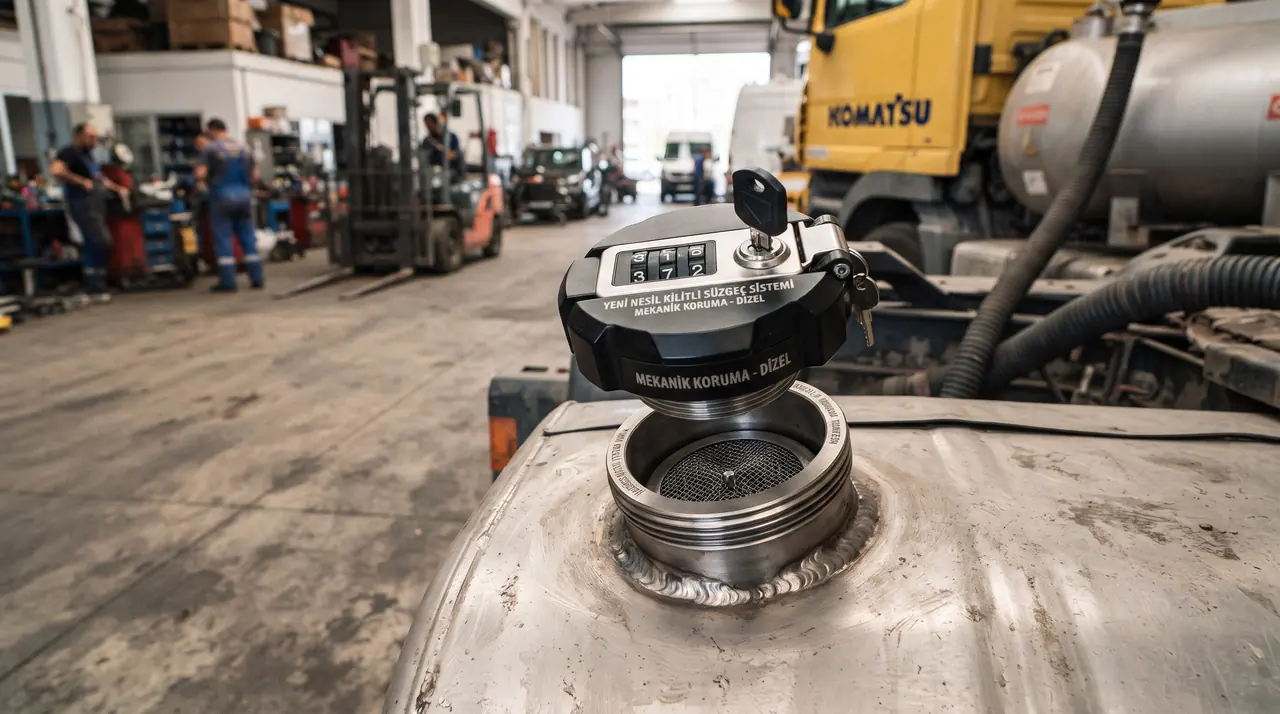
While the pump nozzle passes through easily when the driver refuels, hoses or rods pushed in from outside get caught in the filter mechanism and cannot reach the bottom of the tank. With this fuel-friendly but foreign-object-hostile filter architecture, developed through R&D, CVS Fuel Protection Systems are a pioneer in the industry.

Mechanical locking CVS filter cap fitted to a diesel tank Installation & process
Comment
CVS Fuel Protection SystemsBlog · Trucks & haulage

Legal and Physical Measures Against Diesel Theft, the Haulier's Nightmare

Hauliers carrying freight all across Türkiye are at great risk at unsupervised lay-bys and parking areas along their routes. Since thieves now have techniques to empty tanks in seconds, classic precautions are no longer enough.

Read more

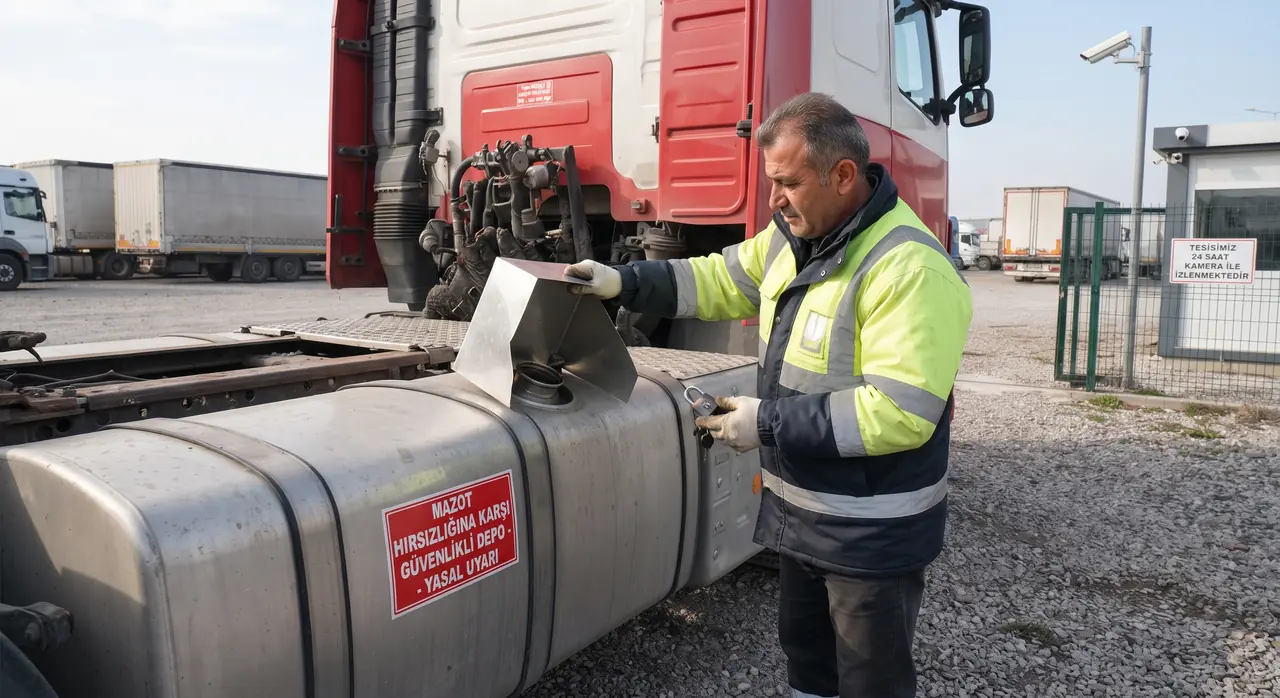
At the forefront of physical security measures, CVS Fuel Protection Systems act as a deterrent by making thieves lose time. When thieves meet tough lock and filter structures they have to abandon the target, because they have no time to spend on the job.

Driver inspecting a truck tank with an anti-fuel-theft warning sign Diesel theft in Europe
Comment
CVS Fuel Protection SystemsBlog · Fleet management

How Can Companies Reduce Fuel Costs in Fleet Management?

Fuel, one of the top cost items in fleet management, can eat into a company's profit margin if the right control mechanisms are not in place. Saving fuel is possible not only through economical driving but also by closing off leaks and losses completely.

Read more

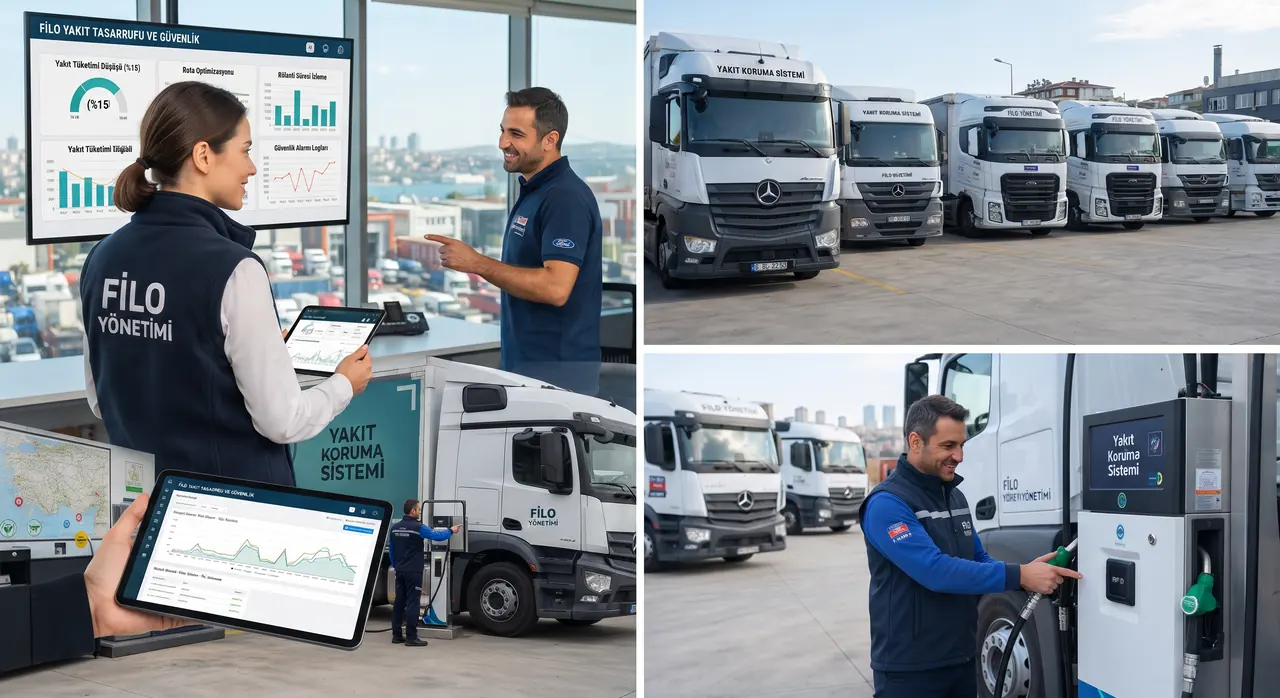
GPS-based tracking systems need to be backed by mechanical security measures. By physically blocking any unauthorized withdrawal from the tanks, CVS Fuel Protection Systems give fleet managers full control and peace of mind.

Fleet management team, vehicle park and refuelling Calculate your fuel loss
Comment
CVS Fuel Protection SystemsBlog · Generators

Why Should Generator Fuel Tanks Be Protected? Critical Facility Security

For hospitals, telecom centers, factories and large office complexes, generators that start up during power cuts are vital. They have large diesel tanks, and these tanks must be full to keep running without interruption.

Read more

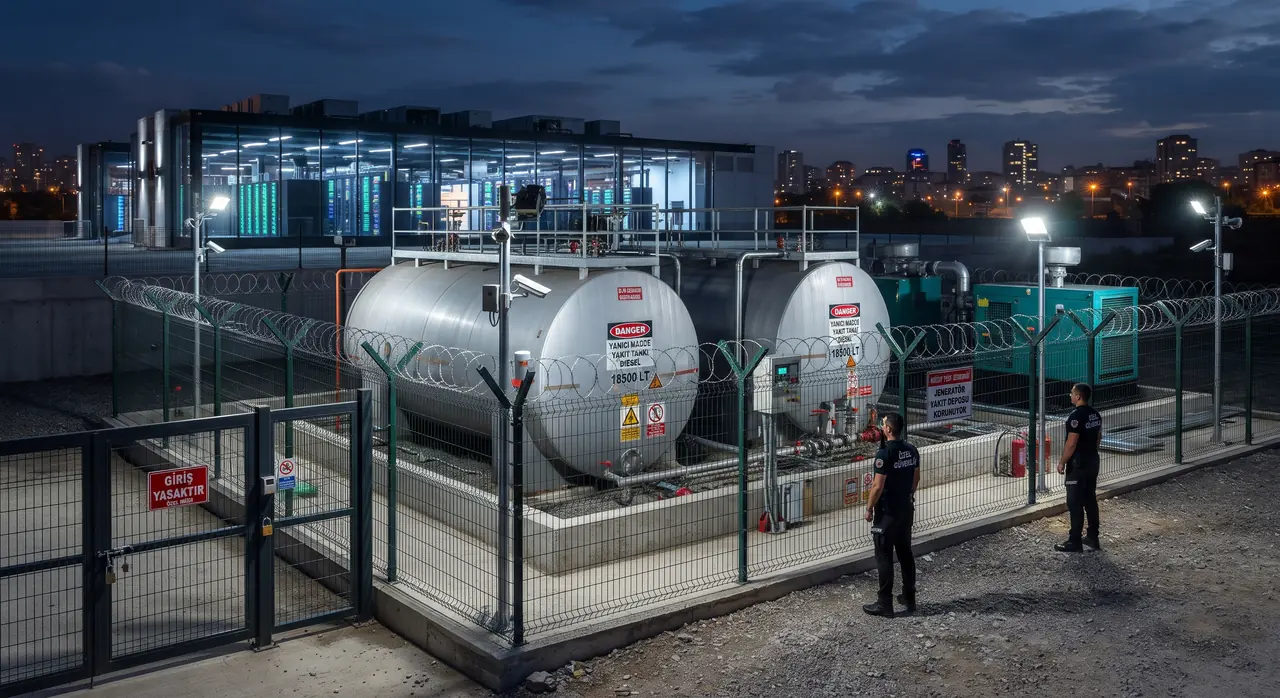
However, generator tanks placed in open areas or outside the building can become a target for ill-intentioned people. With lock and cap solutions made specifically for generator sets, CVS Fuel Protection Systems secure the energy supply of facilities.

Fenced generator fuel tanks with a security guard Generator solutions
Comment
CVS Fuel Protection SystemsBlog · Technology

What to Look for When Choosing the Right Fuel Protection System

There are many tank caps and protection products of different quality on the market. But every vehicle brand has a different tank neck diameter, thread structure and filling speed. A wrong choice makes refueling difficult for the driver and compromises security.

Read more

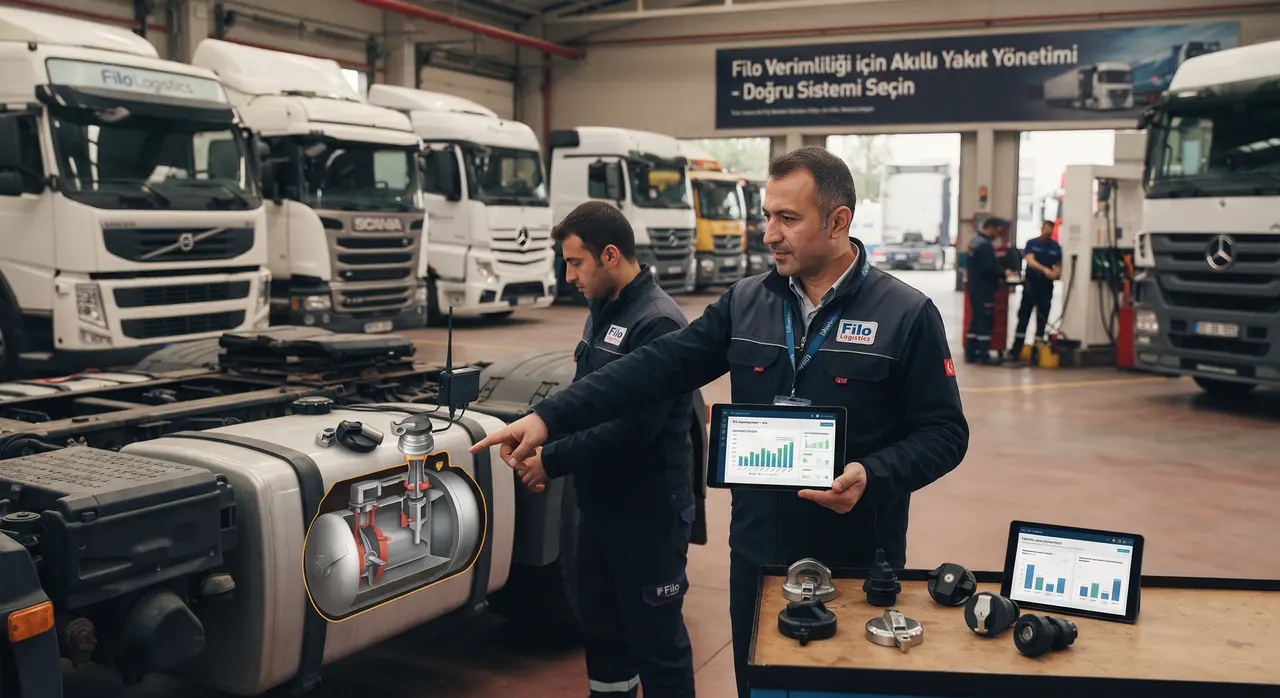
With engineering solutions developed specifically for every vehicle group (Mercedes-Benz, Ford Trucks, Scania, Volvo, MAN, etc.), CVS Fuel Protection Systems provide maximum security without slowing down refueling. When choosing a system, always pay attention to material quality (stainless steel), ease of installation and impact resistance.

Fleet team inspecting a protection system on a truck tank Explore the products
Comment

That's all for now. Write to us with any questions.

Get a quote for your fleet.

Tell us your vehicle type and fleet size and we will come back with a tailored price and installation plan. Or simply call us:

Mobile+90 505 050 99 44 Landline+90 212 438 20 34 Emailkoruma@cvsyakitkoruma.com AddressOruç Reis Mah. Vadi Cad. Giyimkent No:170/101 Esenler / Istanbul
Your details stay with us; they are never shared with third parties.
CVSFuel Protection Systems · Made in Türkiye · 20+ years · Every make, every modelWatch the intro
Write to us on WhatsApp